Far West Blvd

The Town

Jewish Austin was here first.

The Kollel doesn’t ride into empty country. Austin in 2006 already has a sizable Jewish community, most of it new to town and growing with the city: chip engineers, UT faculty, lawyers and realtors working the boom, a few old Texas families, and a lot of people whose Jewish life is a seder and a kid at the community center summer camp. The college students are the Kollel’s stated mission. The town is where it actually reaches.

Main Street

The Hart Lane campus

One parking lot, a community center with a pool and a preschool, a Conservative synagogue across the lot, and a hallway of rooms rented by the hour to anyone who needs one.

The little shul

The dance studio

The Orthodox congregation rents the community center’s dance and workout studio: sprung floor, ballet barre, a wall of mirrors. It counts to ten there every Saturday, an hour before step aerobics.

The company town

Lower Hart Lane

The Kollel’s rabbis live a few blocks down, paired in rented duplexes that share a wall, plus one more duplex for the Kollel itself. Strollers, bikes, black hats on a street with no sidewalks. The founder gets the big house near the campus.

The county seat

The old Reform temple

Central Austin, its own building for generations, an organ, a board of old Texas families, and a rabbi who has buried most of their parents.

The trading post

Northwest Hills Chabad

A rented building between a dentist and a title company. A menorah on the H-E-B parking lot every Chanukah, a Sunday Hebrew school, and years of house calls on the same families the Kollel now invites to dinner.

The general store

The H-E-B

Hot and cold sandwiches at the kosher deli counter. Kosher brisket in the meat case, back in the grocery aisles. Everybody comes through.
How the Kollel Gets In

Everybody thinks they know who everybody else is.

  • The shul. Wasser takes the pulpit and the Kollel’s men fill the minyan. The little shul gets a rabbi, a schedule and a taller mechitza. Its old members can’t decide if they were rescued or replaced.
  • The room calendar. For years the Orthodox shul and the new Reform congregation raced each other to the facilities manager’s door at seven on Monday mornings for the good rooms and the holiday dates. The Kollel’s men, who study full time, start showing up at 6:45 with a check for the whole year.
  • The families. The Kollel wives teach challah, kashering and candle-lighting in Northwest Hills living rooms. Some families take on far more than they meant to, without ever going to shul.
  • The strangers. Converts and would-be converts get the warmest welcome of their Jewish lives from men whose tradition is wary of them. Converts from other synagogues find out their conversions are being discussed.
  • The money. Some donors adore the young rabbis and fund everything. Some are offended in public and pull their pledges. The boards would rather not pick a side.
  • Everyone else. Most of Jewish Austin never notices the Kollel at all.

The Townsfolk

Beyond the campus, the people the Kollel reaches.

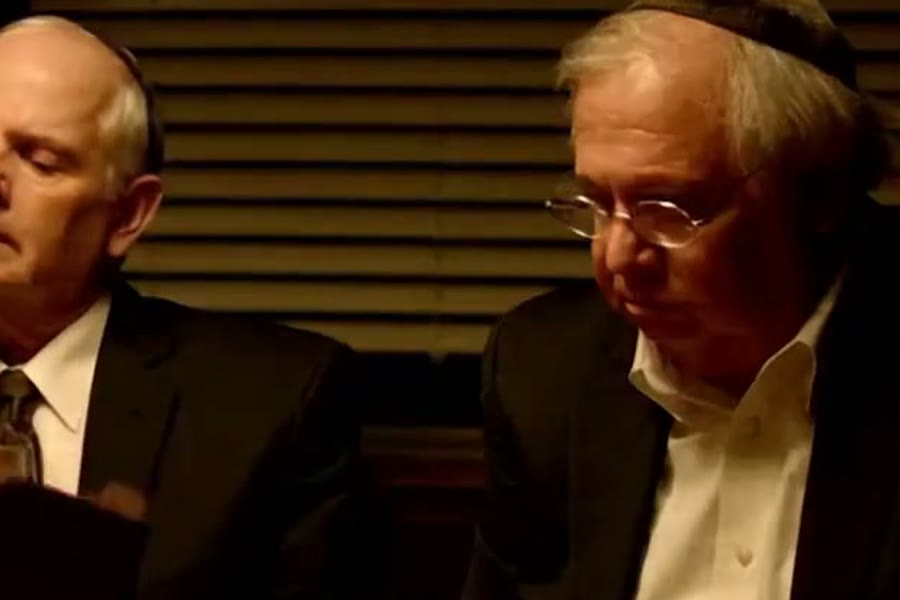
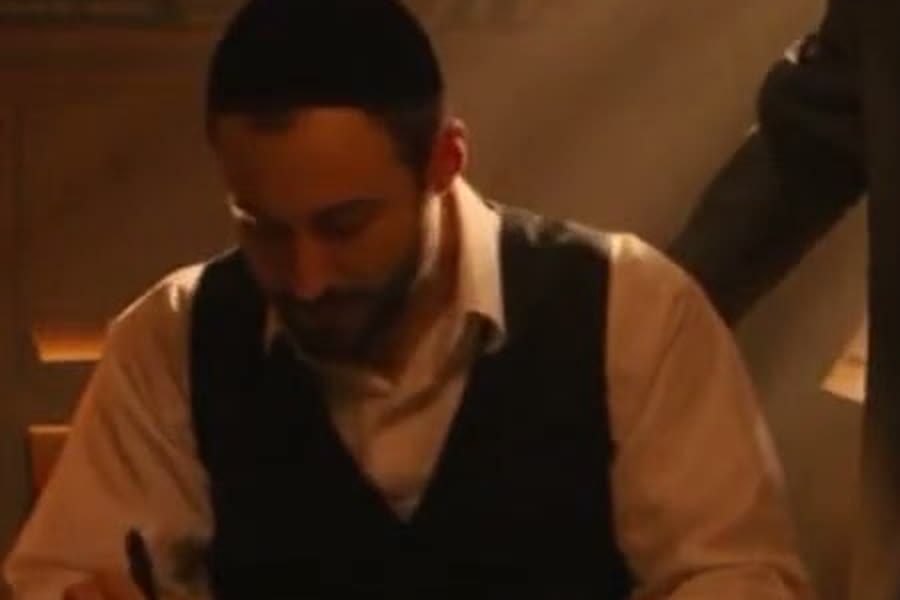
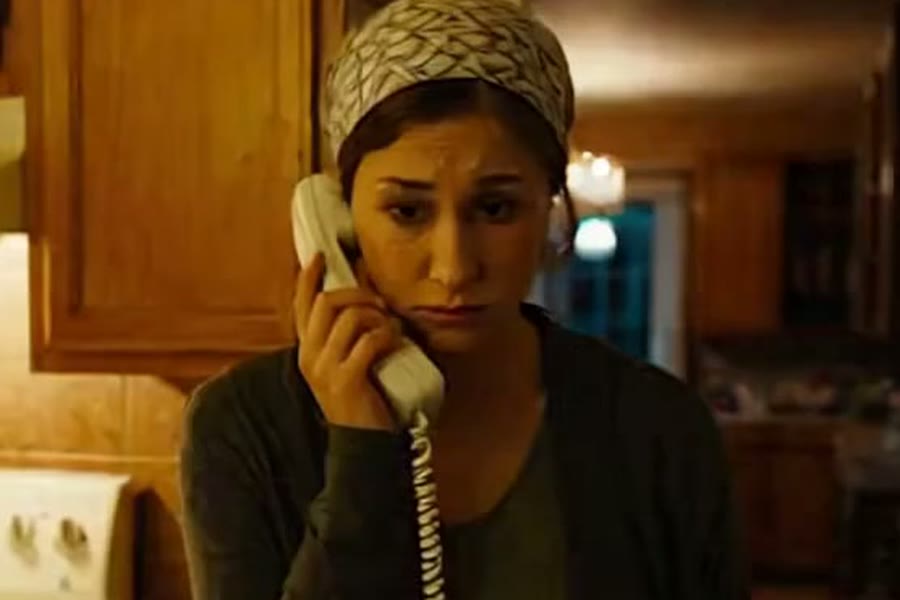
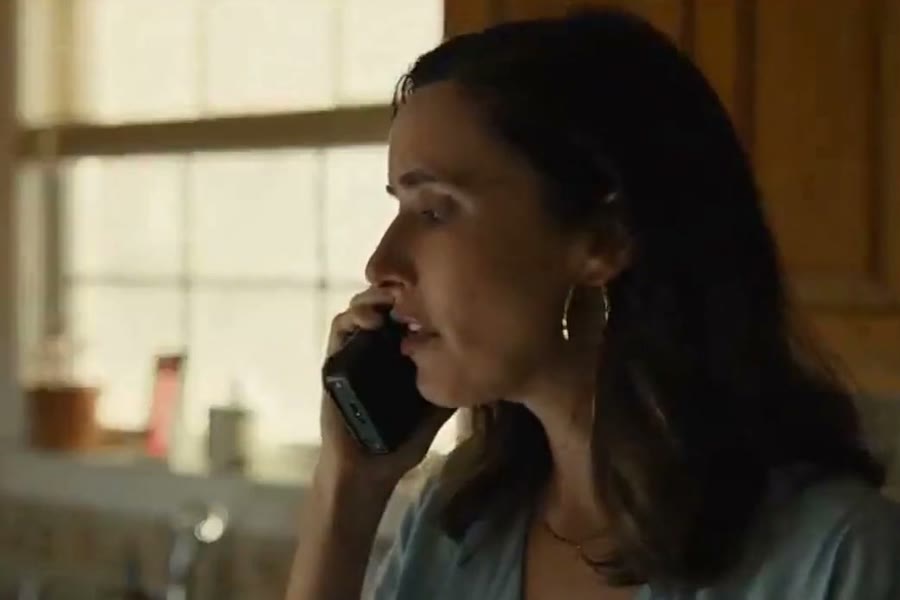
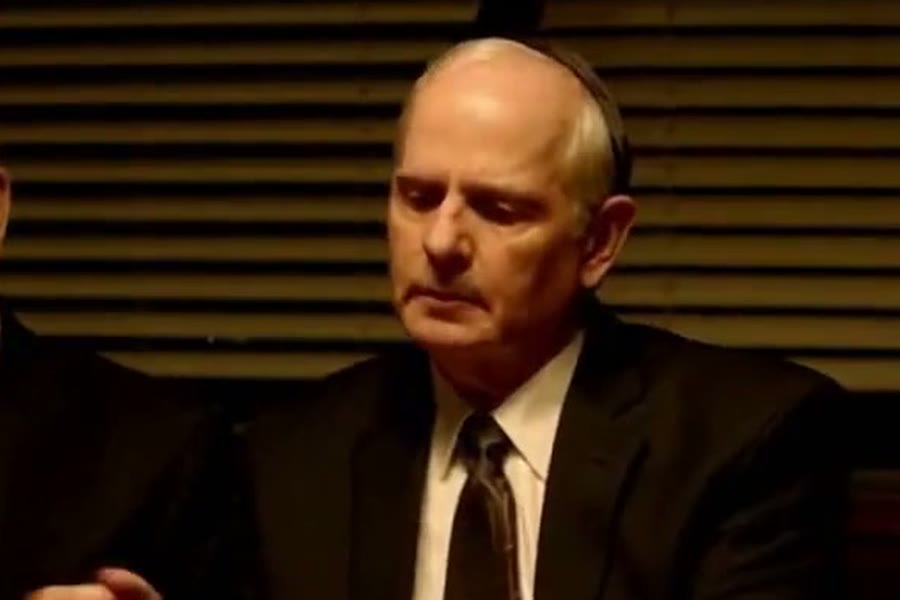
Working sketches, not a fixed cast. The stills come from the AI concept promos and are not casting. The students, rabbis and Hillel staff are on the main page.

The congregationsThe rabbis who were here first

▶ #123

The justice of the peace

Rabbi Alan Ginzberg58

Rabbi of the Conservative synagogue on Hart Lane since 1981, a better Talmudist than anyone gives him credit for, and the author of most of the conversions in town, including Ron’s mother’s. When the Kollel starts asking which conversions in Austin count, it is his life’s work under review.

Wants
His conversions to count, and his Friday nights full again.
Hides
He envies the Kollel’s full tables.
▶ #027

The other new preacher

Rabbi Sarah Einhorn33

Founding rabbi of the new Reform congregation: a guitar, a capital campaign and two hundred families who want a building. Until then she rents rooms on Hart Lane, trading the good ones politely with the little shul, until the Kollel books the whole year. She is losing young families to brisket.

Wants
A building, and members who stay.
Hides
Some of what the Kollel offers, she wishes she could.
▶ #132

The old guard

Rabbi Robert Kohler66

Senior rabbi of the old Reform temple: organ, stained glass, the governor at Thanksgiving, golf on Thursdays. Regards the Kollel the way an old rancher regards sheepherders. Learns late that half his board’s grandchildren have eaten at its table.

Wants
Nothing to change.
Hides
He never asked what the grandchildren believe.
▶ #018

The first settler

Rabbi Yossi Lyadi31

Chabad at UT. A North Dallas kid who became religious in college a decade ago with his roommate, Berel Kopust. Earnest and a little pretentious, generous with the donors’ sons from Westlake, and strangely vague with any student whose Jewish status he isn’t sure of. Ron has noticed. When the Kollel poaches his Thursday regulars, it’s personal.

Wants
His regulars back, and a building with a donor’s name on it.
Hides
The college kid he was might not have made it past his own front door.
▶ #121

The trading post

Rabbi Berel and Rivkie Kopust32 and 30

Northwest Hills Chabad, in a rented building between a dentist and a title company. Years of house calls on the neighborhood’s families, until the Kollel moves in a mile away with more money and a dinner every Friday. Rivkie taught the Levines to kasher their kitchen two years before the Kollel wives taught them again. They tell every family in the neighborhood they reached out to the Wassers to welcome them, but the Wassers never called back.

Wants
The families they spent years on.
Hides
The Kollel is doing what they do, and doing it well.

The families and the moneyNorthwest Hills living rooms

▶ #087

The townsfolk

Mark and Debbie Levine45 and 43

He sells servers in Round Rock; she is a realtor having the best year of her life. After one Kollel wives’ class they kasher the kitchen: two dishwashers, a dairy toaster oven, Shabbat lamps on timers. They never go to shul. Mark’s BlackBerry spends Friday nights in the freezer. Debbie lists “kosher kitchen” at her next open house, and it sells.

Wants
One night a week that means something.
Hides
Half of it started because the neighbors were doing it.
▶ #132

The man with the money

Mort and Bunny Kessler74 and 71

His name is on the wall above the community center pool. At the December gala a Kollel rabbi won’t shake Bunny’s hand, and Mort spends the season trying to get the newcomers off his campus with the only lever he has, his pledge. Bunny has been taking Leah’s Thursday challah class since October.

Wants
Respect for the people who built this place.
Hides
Bunny hides the challah class. It’s excellent.
▶ #080

The facilities manager

Doug52

Runs the keys, the pool hours and the room calendar, the most contested real estate on Hart Lane. Not Jewish. Has seen every kind of Jewish argument fought over a room booking. Speaks only in policy.

Wants
Everyone out by ten.
Hides
He likes all of them.
▶ #024

The man who doesn’t notice

Gary Finchmann52

Ron’s father. Real-estate attorney in a boom, Longhorn season tickets since 1979. Thinks the Kollel is a nice thing for the kids. The night a rabbi drives past the house, Gary is at a closing in Dallas. He is most of Jewish Austin: kind, proud, and looking somewhere else.

Wants
Ron happy, Texas back in the title game.
Hides
Nothing. He just doesn’t look.

The strangersConverts and would-be converts

In Hebrew a convert is a ger, a stranger. The Western is full of strangers riding into town. These are the ones trying to get in, while the Kollel decides who counts.

▶ #136

The schoolteacher

Ellen Finchmann49

Ron’s mother. Converted at 26 with Rabbi Ginzberg, teaches fourth grade, knows more about Judaism than most people born into it, and never once thought of her Jewishness as a question until other people made it one.

Wants
For nobody to make her son choose.
Hides
The question hurt her more than it hurt him.
▶ #063

The prospector

Dr. Erik “Avi” Lindqvist44

A physicist at a lab off MoPac, raised Lutheran, converted twelve years ago to marry Rachel, and never quite sure he belonged. Then Salant starts studying with him one on one, and Judaism has secrets. Maharal, then Kabbalah, then a gematria spreadsheet and a beard that won’t fill in. His wife and daughter notice before he does. He snaps out of it at his daughter’s bat mitzvah.

Wants
An equation that explains everything.
Hides
He never felt fully Jewish until someone gave him a secret.
▶ #061

The homesteaders

Wade and Shawna Rourke36 and 34

Not Jewish. He flies Black Hawks at Fort Hood; she plays bass in a bar band. After Wade read Heschel in a tent in Iraq, they reasoned their way toward Judaism and started driving seventy miles for kosher brisket. In the meat aisle, Rabbi Kotzk assumes and invites them for Shabbat. When it comes out, the Kollel can’t count them and can’t turn them away. In the new year Wade is ordered back to Iraq.

Wants
To be Jewish all the way, the hard way.
Hides
He’s scared of the deployment. She believes in him more than in anything.
▶ #029

The pioneer

Marisol Treviño19

A freshman from a border town in the Valley. Her high-school sweetheart at A&M has decided to become religious, and if they’re getting married, she should convert. So she does, and becomes more observant than he is. The Kollel can’t convert her and keeps feeding her anyway. By spring she’s headed for a seminary in Jerusalem. Nobody is sure what happened to the boyfriend.

Wants
To keep her promise.
Hides
Around Chanukah, she stopped doing it for him.

Around Town

Meanwhile, on Hart Lane.

  • Aug

    In the H-E-B meat aisle, a man with a high-and-tight loads twenty pounds of kosher brisket into his cart. Rabbi Kotzk, reaching for the same shelf, invites his whole family for Shabbat. Everyone assumes. Nobody asks.

  • Oct

    The shul gets a taller mechitza. Then the problem nobody noticed in twenty years: the dance studio’s mirrors. Black curtains go up over every one, and come down by ten for step aerobics.

  • Oct

    On lower Hart Lane, two rabbis who share a duplex wall string an eruv of fishing line over their doors and walkway so they can carry the cholent across on Shabbat. The neighbor asks if it’s for the Longhorns.

  • All year

    The Kopusts tell the Levines they kindly reached out to the Wassers, but the Wassers never called back. The Wassers tell the Lindqvists they kindly reached out to the Kopusts, but the Kopusts never called back. Nobody checks. Everybody repeats it.

  • Dec

    At the community gala, a rabbi won’t shake Bunny Kessler’s hand. Mort pulls his pledge. Sheila Rosen doubles hers.

  • Feb

    For several mornings after the snowstorm, the rabbis are in the lobby of Ron and Maya’s dorm, all of them, in their coats, by the mailboxes. They say good morning. Nobody says why.

  • Mar

    Wade calls from Baghdad on a satellite phone in the middle of the Purim megillah, and the whole room boos Haman for him.

  • Spring

    Salant’s rental car pulls up outside Ron’s parents’ house and idles. Two rabbis get out with a clipboard and a tape measure and start writing down the trees and the power lines. Surveying for an eruv, apparently. Nobody ever says. Nobody sleeps.

Read the story Watch the promos